The Seat and the Cue: How Rider Position Helps a Horse Read a Request
Learn how rider position and a clear cue work together to make Western riding requests easier for a horse to understand and answer calmly.
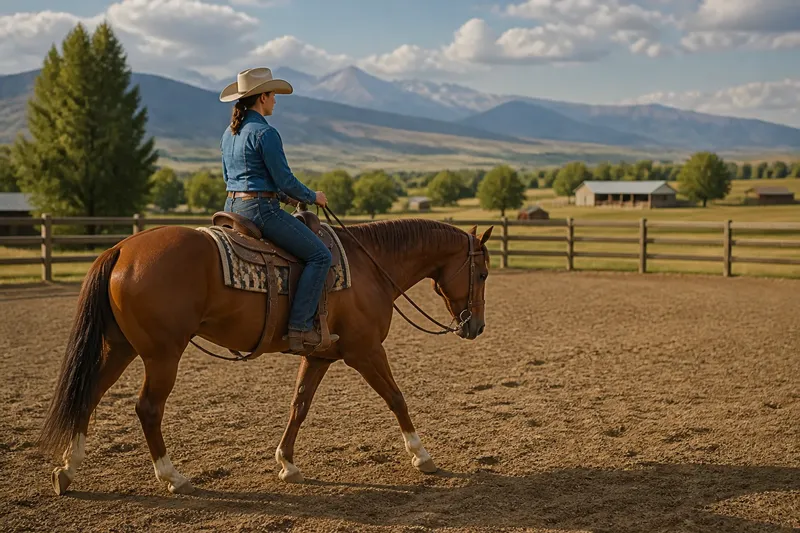
A horse can miss a request when the rider’s seat says one thing and the reins or legs say another. In Western riding, a balanced position and a clear cue work together: your body helps frame the request, while a brief aid tells the horse what response you are asking for. The goal is not to hold one fixed pose, but to communicate without adding confusing signals.
Use this practical sequence at a walk in a familiar, enclosed arena. Start by noticing your own balance, make one request, then release the aid when the horse responds. A qualified instructor can help you adjust the process for your horse, your experience and the task at hand.
Settle into a position you can maintain
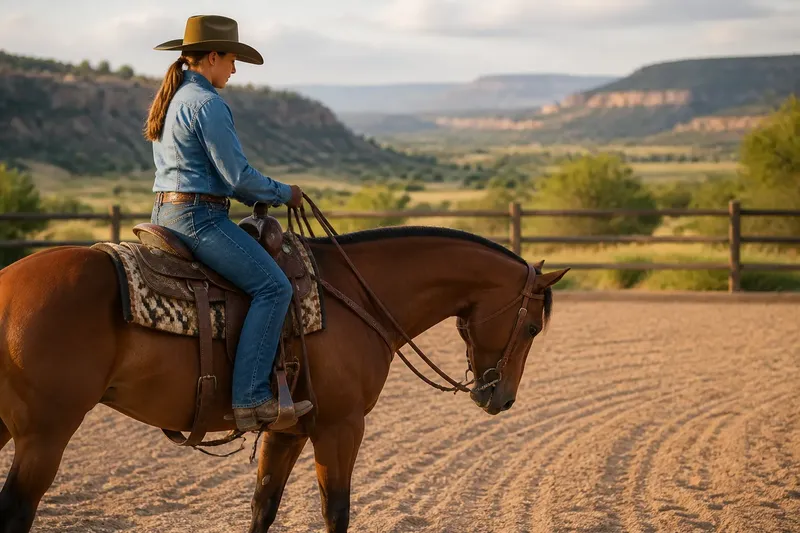
Before asking the horse to change speed or direction, check that you can sit without gripping, leaning or bracing. Let your shoulders rest over your hips, keep your eyes on the path ahead and allow your arms to follow the horse’s motion. Your legs should hang near the horse’s sides rather than clamp against them.
There is no single seat that suits every horse and rider. A rider recovering from a bump may need a more cautious pace; a horse with a short, forward walk may create a different feel from one with a slower stride. Look for functional balance: you can follow the motion, breathe, and use an aid without losing your position.
Check for habits that can interfere with a cue:
- Leaning forward: Your weight may shift toward the horse’s shoulders and make a transition feel less clear.
- Leaning back: A strong backward brace can resemble a request to slow, even if you intend to turn.
- Gripping with the knees: This can lift your seat or make your legs less available for a deliberate cue.
- Holding the breath: A stiff torso can make it harder to follow the walk and notice the horse’s response.
- Fixed hands: Braced arms may interfere with the horse’s head and neck instead of giving a distinct rein signal.
Make one small adjustment at a time. If you try to change your hands, legs, seat and posture all at once, it becomes difficult to tell which change helped the communication.
Choose one response to request
Decide what you want before applying an aid. “Go forward,” “turn left,” and “slow down” are clearer intentions than a vague effort to make the horse feel more responsive. For a first practice, choose an ordinary transition or a broad turn at a walk, not a complicated maneuver.
Keep the request proportionate. A horse may need a lighter or more gradual cue than another horse, and a rider may need to use a smaller range of motion to stay balanced. Follow the horse’s established training and familiar cues rather than introducing a new signal without help.
Say you are walking a quiet circle and want to leave it along a straight line. Imagine you look toward the new path, keep your torso centered, and use the familiar rein and leg aid your instructor has taught. If the horse begins to turn, soften the aid and continue along the line; the observable result is a change of direction followed by a quieter, more neutral feel. If the horse does not respond, avoid adding a jumble of stronger signals. Return to a safe, simple walk and ask an instructor to help clarify the cue.
Make your posture support the cue
Think of the seat as the background to the request, not a collection of dramatic movements. A centered rider can follow the horse without unintentionally tipping, twisting or blocking the motion. For a turn, look toward the route and keep your shoulders and hips comfortably aligned with your intended path. Do not twist sharply or throw your weight to the inside.
For a request to move forward, stay tall and let your hips follow the walk. Use the familiar leg aid briefly, rather than squeezing continuously. For a request to slow, sit quietly and use the trained rein or seat cue without pulling and holding. The exact combination depends on the horse’s training; the useful principle is to keep the body steady enough that the deliberate aid stands out.
Watch your hands as well. Western reins can be held in different ways according to the horse, tack and method being used. Keep your hands quiet and avoid using a rein as a balance handle. If you need to grab it to stay seated, return to a simpler pace or ask for support instead of trying to give a more forceful cue.
Apply the cue, then release
Once your position is settled and the request is clear, apply the familiar aid briefly. Give the horse a moment to respond. When you feel the intended change begin, soften the aid rather than keeping pressure on as if the request were still pending.
That release helps distinguish the cue from ordinary contact. If a leg stays pressed against the horse after it moves forward, the horse may not be able to tell when the request has ended. If the rein remains tight after a slow-down, the rider can obscure the quiet response they wanted.
Release does not mean dropping the reins or abandoning balance. Keep a safe, usable connection and continue to follow the movement. The adjustment should be small: stop adding the particular aid once the horse begins the requested response, while keeping your posture organized.
Read the response before asking again
Notice what the horse actually did. Did the pace change, did the shoulders turn, or did the horse pause? Also notice whether your own body shifted. A response that is late or different from what you expected is information, not a reason to repeat the same cue harder by default.
Check whether you accidentally sent competing messages. A rider asking for forward movement while leaning back and holding the reins tight may leave the horse with an unclear request. Recenter, return to a familiar walk if needed, and make the next cue simpler. If the horse appears uncomfortable, distressed or unusually resistant, stop the exercise and seek appropriate help rather than treating every response as a training problem.
Keep practice short enough that you can stay attentive. One clear request followed by a quiet interval is more useful than repeated signals delivered while you are losing balance or focus. If you become uncertain, ask a qualified instructor to observe from the ground and describe what your seat and aids are doing together.
How do seat and cues work together?
Does the seat replace the reins and legs?
No. The seat helps the rider stay balanced and avoid unintended signals, while trained rein and leg aids communicate specific requests. Which aids are appropriate depends on the horse’s training and the rider’s instruction.
Should I move my whole body to turn?
No. Look along the intended path and stay centered rather than leaning or twisting sharply. Use the familiar turning aid your horse understands, and keep your balance independent of the reins.
What if my horse does not answer the cue?
First check whether your position or another aid may be conflicting with it. Return to an easy, safe pace if necessary, and ask an instructor to help you make the request clearer instead of escalating blindly.
How can I tell if I am gripping?
Notice whether your knees tighten, your seat lifts, or your breathing stops when you ask for a change. Relax only what you can release without losing balance, and have an instructor check your position if the habit continues.
Keep the communication simple
To improve how rider position and a cue work together, focus on one request at a time: settle into balance, decide what you are asking, use the familiar aid, and soften it when the response begins. This gives you a practical way to notice whether your posture is supporting the message or clouding it.
For your next ride, choose a familiar walk transition or broad turn and pay attention to what happens just before the horse responds. That moment can reveal whether a small change in your balance, breathing or timing would make the next request easier to read.