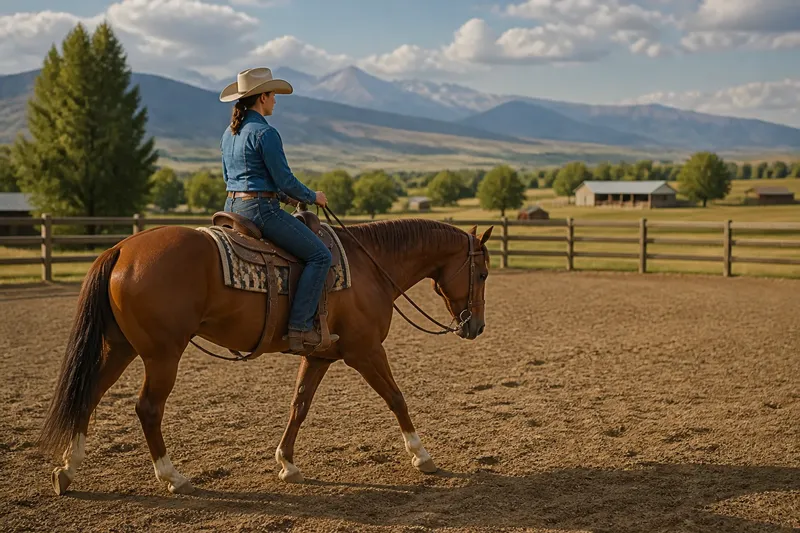
A Quiet Grooming Routine Before a Ride
A quiet grooming routine before a ride helps you notice your horse’s comfort, clear the areas beneath tack, and begin with an unhurried transition.
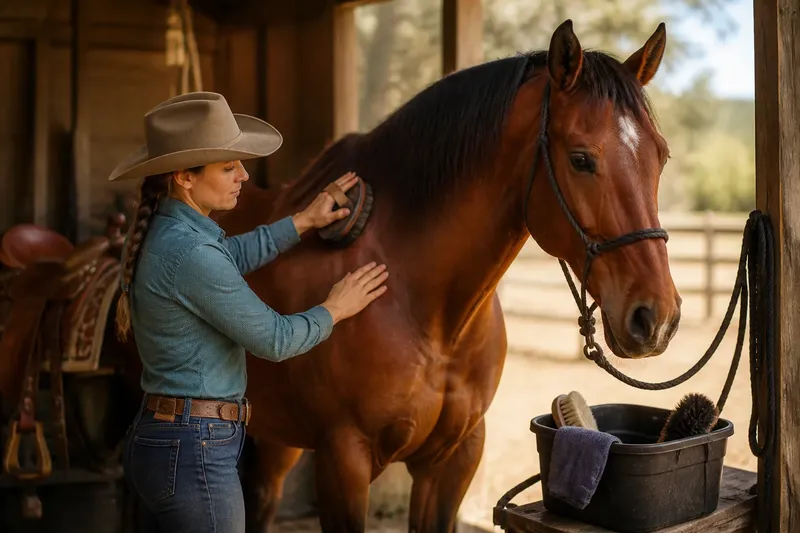
A quiet grooming routine before a ride gives you time to notice how your horse is feeling before you ask for work. The right approach depends on what you see: a dry horse needs a different kind of attention from one who is damp, sensitive, or unsettled.
Choose the routine that fits your horse today
Start with the horse, not a fixed brushing order. Walk up calmly, speak if that is part of your usual approach, and look over the horse before reaching for a brush. Notice posture, breathing, coat condition, and whether the horse stands comfortably. A sudden change from the horse’s ordinary behavior deserves attention before you proceed.
- Dry, comfortable horse: Use a soft curry comb or grooming mitt in small circles on suitable fleshy areas, then a body brush to lift and remove loosened dust. This is usually enough for an ordinary ride.
- Horse with caked mud: Let dry mud loosen where practical, then use a curry comb gently on broad, muscular areas. Avoid scraping hard or brushing grit across delicate skin.
- Damp or sweaty horse: Use a clean towel to remove moisture and check for dampness where equipment will sit. If the coat remains wet, allow more drying time rather than covering it with tack.
- Horse that flinches or shifts away: Pause and check the area with your hand before brushing again. A new tender spot, heat, swelling, or wound may need a veterinarian’s assessment rather than more grooming.
- Horse that seems tense: Keep the session quiet and familiar. If the horse cannot settle enough for safe handling, stop and ask an experienced handler for help.
Choose tools that suit the coat and the horse’s tolerance. A rubber curry comb or mitt can loosen dust on the neck and body; a soft body brush can finish those areas. Use a separate, clean cloth for the face. Keep harder brushes away from the face, lower legs, and any sensitive or injured skin.
Clear the places that will carry tack
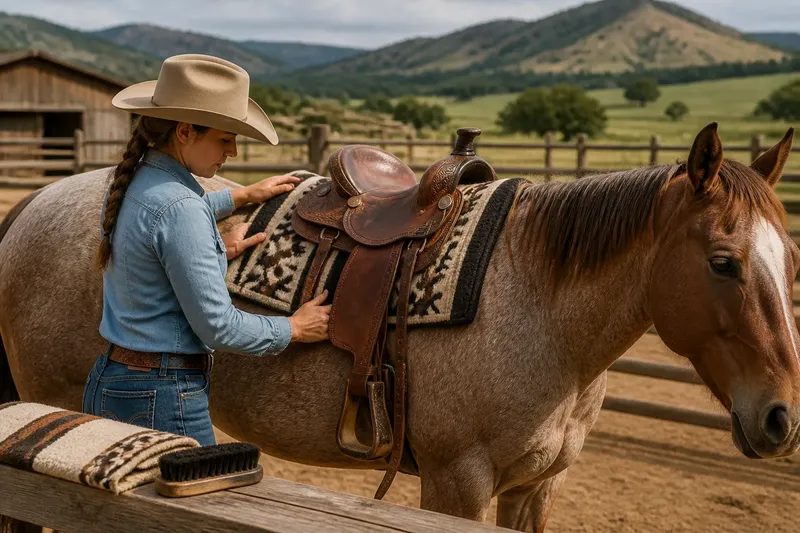
Spend extra attention on the back, girth area, and the places where the bridle will touch. Pick out visible debris rather than brushing it into the coat. Run a clean hand lightly over the back and girth area to feel for grit, dampness, or a change in the skin. Remove any burrs or bits of hay you can lift without tugging at the coat.
Do not treat a quick brush as permission to ignore a sore area. If you find a wound, swelling, unusual warmth, or a strong reaction to gentle touch, do not put equipment over it and continue as usual. Seek advice from a veterinarian or qualified horse professional, especially if the horse’s comfort or soundness is in doubt.
Use a hoof pick only if you are comfortable handling the horse’s feet and can do so safely. Ask the horse to lift one foot using your familiar cue, support it securely, and clear loose dirt and stones from the sole without digging into sensitive tissue. If the horse resists unusually or you feel unsure, leave the foot and get help.
Let the horse’s response set the pace
Groom in a steady order the horse knows, but do not rush to finish every area. Keep your movements smooth, give the horse room to balance, and watch for pinned ears, a swishing tail, tensing, repeated stepping, or turning toward the brush. Those signs can have several causes; pause, soften your touch, and check whether the tool or location is bothering the horse.
Say you arrive to find your normally relaxed horse shifting away when you brush the girth area. Stop, set the brush aside, and check the coat and skin gently by hand. If you find a burr, remove it without pulling; if the reaction continues or you notice a sore spot, skip the ride and seek appropriate help. The useful result is not a completed grooming session, but a clearer decision about whether the horse is comfortable enough to tack up.
Keep the grooming area uncluttered. Put brushes in a bucket or grooming tote rather than on the ground, and keep the lead rope arranged so it cannot tangle around the horse’s legs. Avoid wrapping a lead rope around your hand. If the horse needs to be tied, use the barn’s established safe method and follow the facility’s rules.
Finish with a calm transition to riding
When the coat is clean enough and the horse appears comfortable, take a short pause before bringing over equipment. This gives you a chance to notice whether the horse remains settled after handling. It also separates grooming from tacking up, so a sudden change in behavior does not get lost in a rush to leave the grooming space.
Brush the mane and tail only as needed for the ride, working through tangles gently with your fingers or a suitable comb. Pulling at knots can make an otherwise calm session uncomfortable. Keep the forelock and mane clear of the horse’s eyes, and remove loose debris where it could rub beneath equipment.
For a horse that is still damp, muddy in a tack-contact area, or showing discomfort, delay tacking up and decide whether the ride should wait. For a relaxed horse with a clean, dry coat, move on at an even pace. Follow the care instructions on grooming products and equipment; if a product or situation raises a safety concern, consult the manufacturer or a qualified professional.
What should you do when grooming raises a concern?
Should you ride if the horse flinches during brushing?
Pause and check whether the reaction is new, localized, or repeated. If the horse remains uncomfortable or you find a possible injury, do not ride until you have appropriate advice.
How clean does a horse need to be before an ordinary ride?
The coat should be clear of debris where tack will rest, and the horse should be dry enough that equipment will not cover a damp area. A spotless coat is not the goal; comfort and a clean contact surface matter more.
Can you groom a horse that is still sweaty?
Use a towel to remove moisture and give the horse time to dry before covering the area with tack. If the horse is wet through or uncomfortable, wait rather than pressing ahead with the ride.
What if the horse will not stand quietly?
Do not force a long grooming session or put yourself in a position where you could be struck or trapped. Keep the horse in a safe setting and ask an experienced handler to help assess what is making the horse unsettled.
A quiet grooming routine before a ride works best when it leaves room to change plans. Keep familiar tools clean, notice what your hands and eyes tell you, and treat a pause as part of good preparation—not as time lost.